

Knowledge Exchange

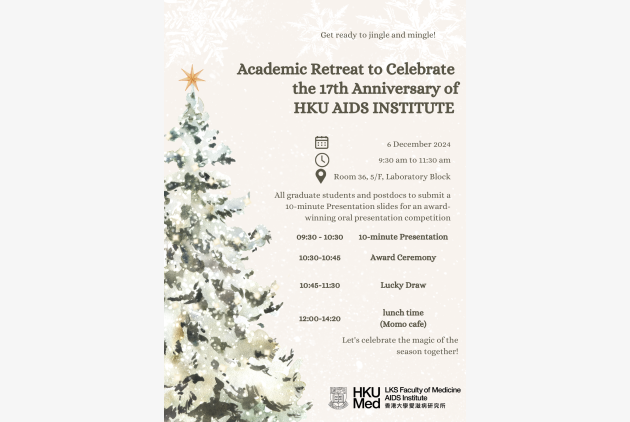
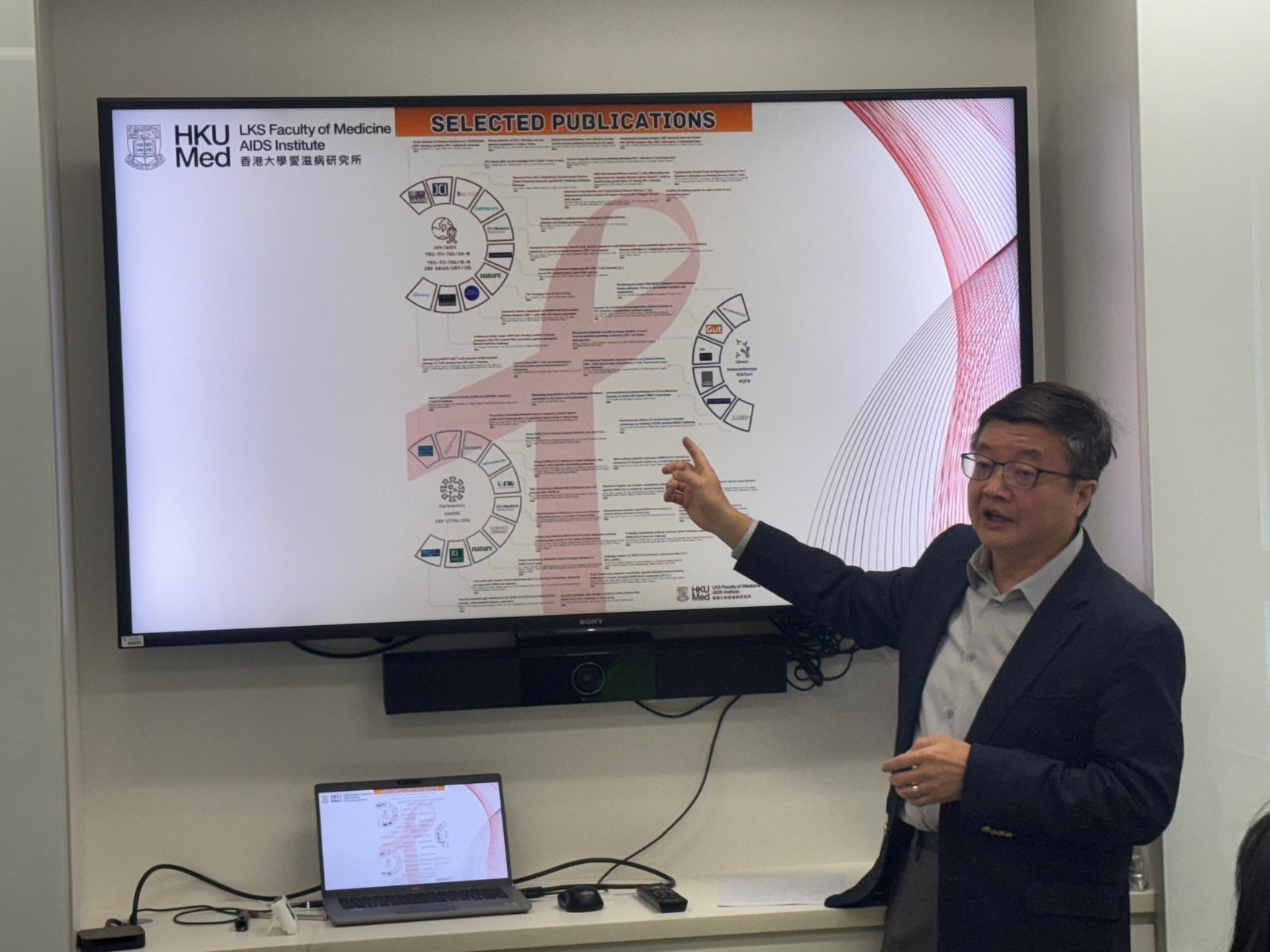
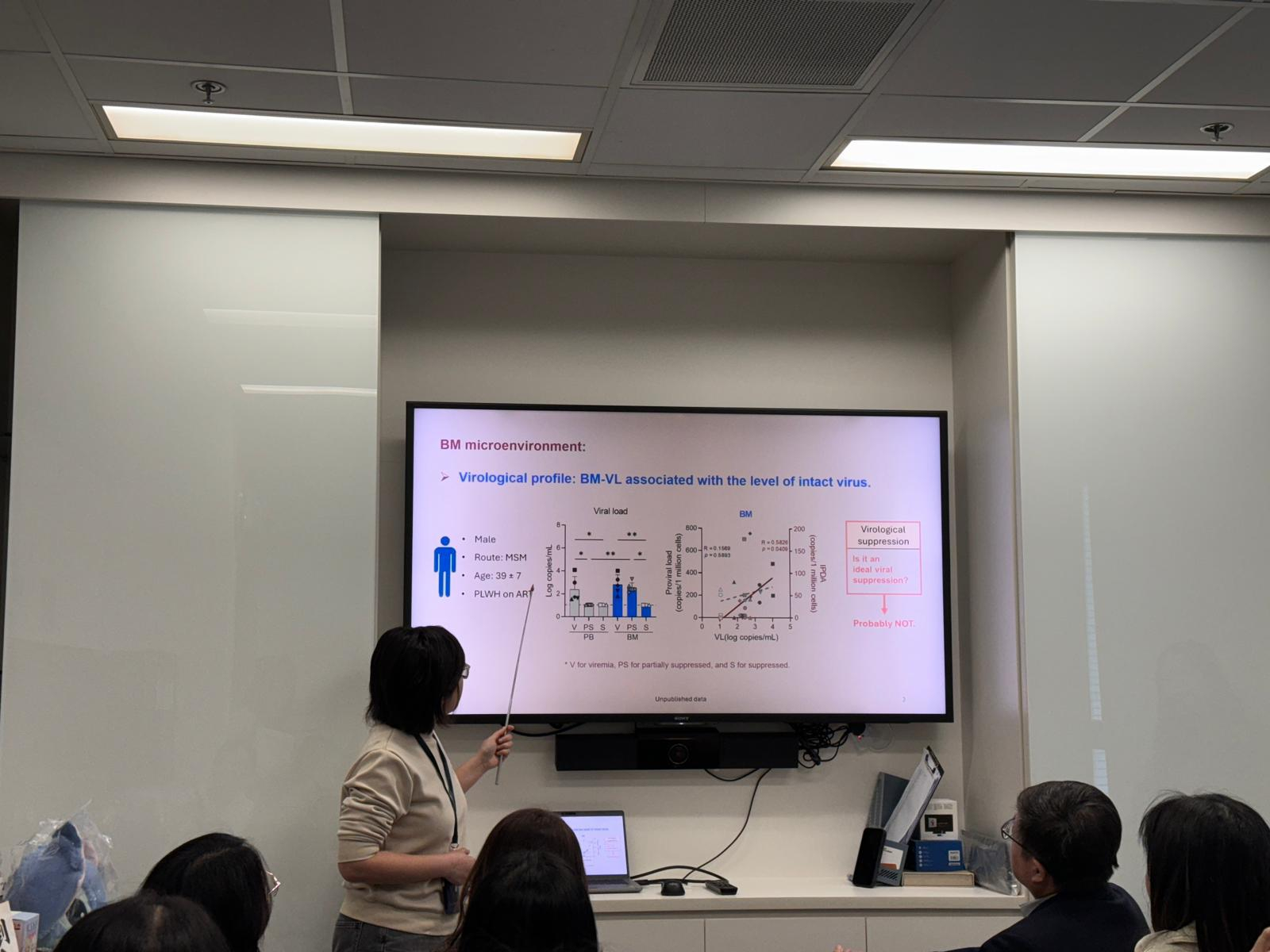
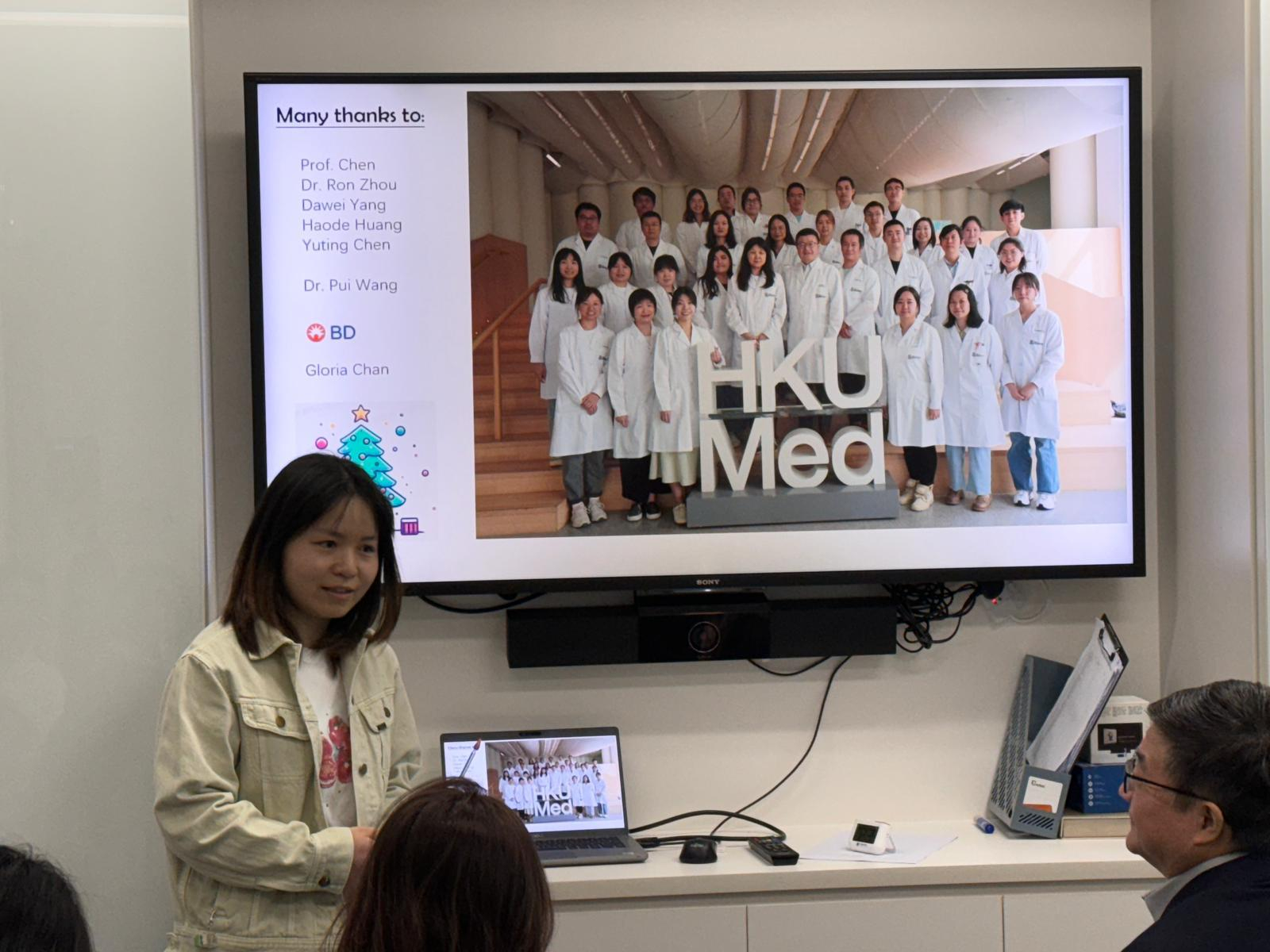
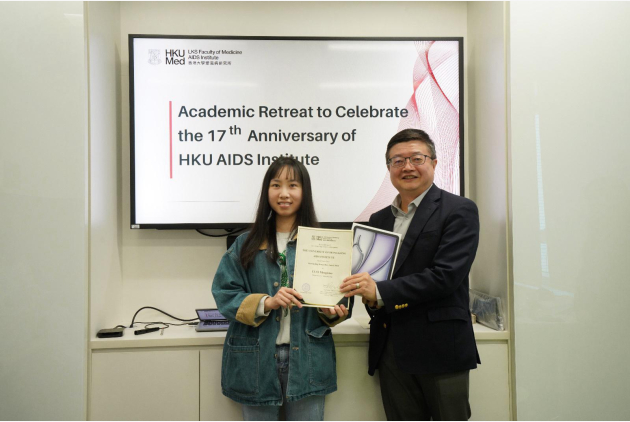
Academic Retreat to Celebrate the 17th Anniversary of HKU AIDS Institute

9:30 am

Room 36, 5/F, laboratory Block

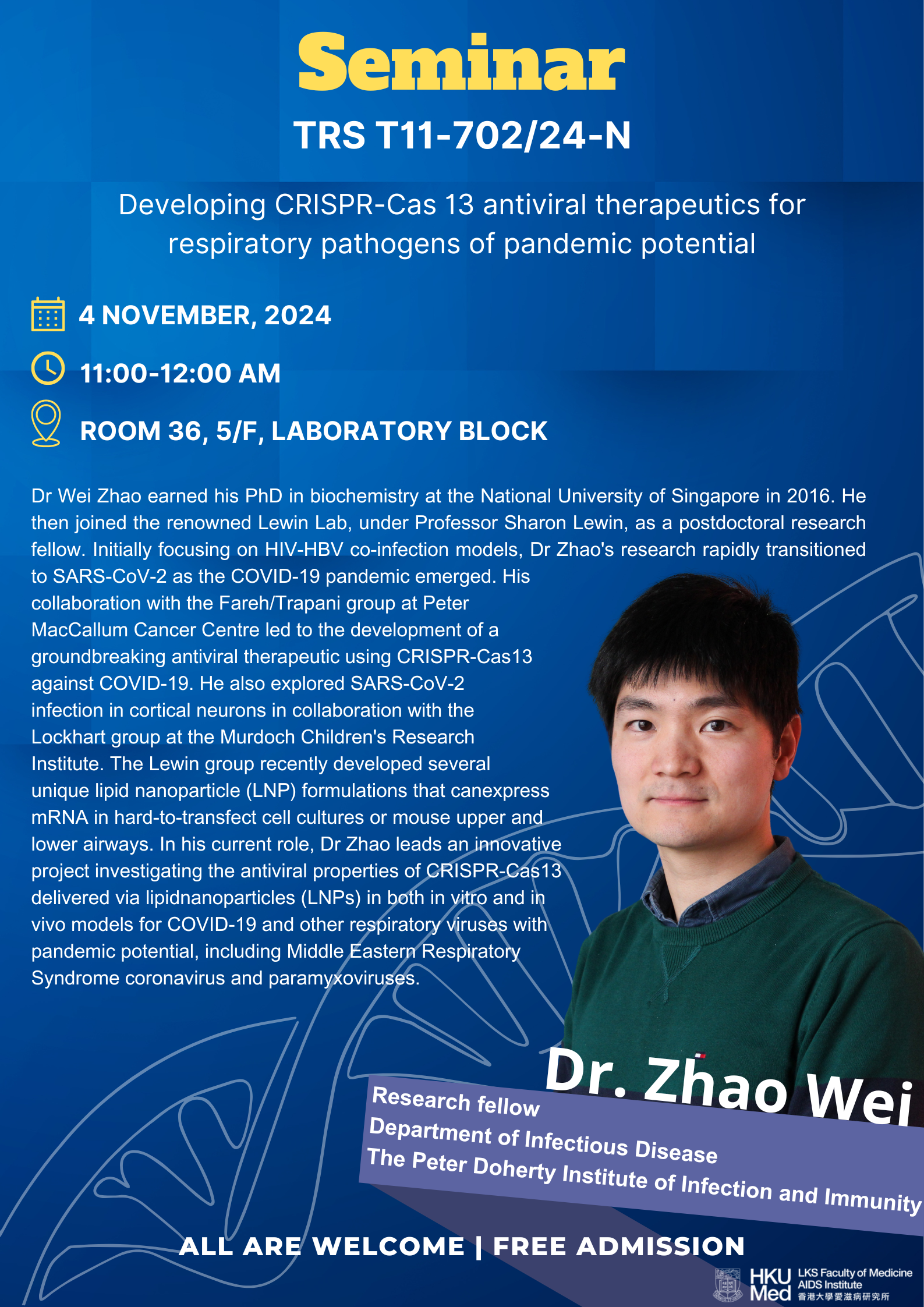
Developing CRISPR-Cas 13 antiviral therapeutics for respiratory pathogens of pandemic potential

11:00-12:00 AM

Room 36, 5/F, Laboratory Block, Faculty of Medicine Building, 21 Sassoon Road

Speaker: Dr. Zhao Wei,

Research fellow

Department of Infectious Disease, The Peter Doherty Institute of Infection and Immunity

Abstract: Dr Wei Zhao earned his PhD in biochemistry at the National University of Singapore in 2016. He then joined the renowned Lewin Lab, under Professor Sharon Lewin, as a postdoctoral research fellow. Initially focusing on HIV-HBV co-infection models, Dr Zhao's research rapidly transitioned to SARS-CoV-2 as the COVID-19 pandemic emerged. His collaboration with the Fareh/Trapani group at Peter
MacCallum Cancer Centre led to the development of a groundbreaking antiviral therapeutic using CRISPR-Cas13 against COVID-19. He also explored SARS-CoV-2 infection in cortical neurons in collaboration with the Lockhart group at the Murdoch Children's Research Institute. The Lewin group recently developed several unique lipid nanoparticle (LNP) formulations that canexpress mRNA in hard-to-transfect cell cultures or mouse upper and lower airways. In his current role, Dr Zhao leads an innovative project investigating the antiviral properties of CRISPR-Cas13 delivered via lipidnanoparticles (LNPs) in both in vitro and in vivo models for COVID-19 and other respiratory viruses with pandemic potential, including Middle Eastern Respiratory Syndrome coronavirus and paramyxoviruses.
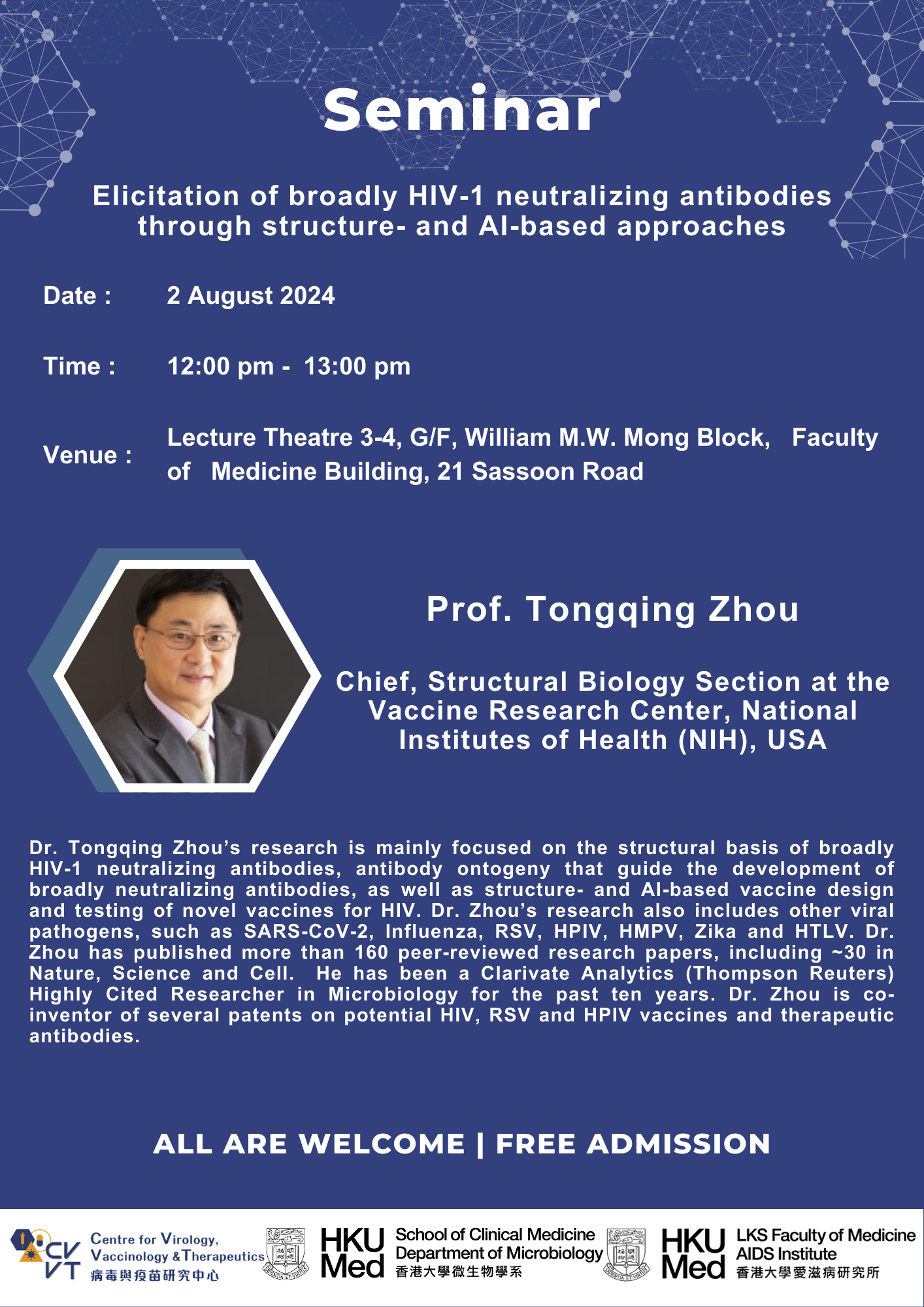
Elicitation of broadly HIV-1 neutralizing antibodies through structure- and AI-based approaches

12:00 pm - 13:00 pm

Lecture Theatre 3-4, G/F, William M.W. Mong Block, Faculty of Medicine Building, 21 Sassoon Road


Speaker: Prof. Tongqing Zhou,

Chief

Structural Biology Section at the Vaccine Research Center, National Institutes of Health (NIH), USA


Abstract: Dr. Tongqing Zhou’s research is mainly focused on the structural basis of broadly HIV-1 neutralizing antibodies, antibody ontogeny that guide the development of broadly neutralizing antibodies, as well as structure- and AI-based vaccine design and testing of novel vaccines for HIV. Dr. Zhou’s research also includes other viral pathogens, such as SARS-CoV-2, Influenza, RSV, HPIV, HMPV, Zika and HTLV. Dr. Zhou has published more than 160 peer-reviewed research papers, including ~30 in Nature, Science and Cell. He has been a Clarivate Analytics (Thompson Reuters) Highly Cited Researcher in Microbiology for the past ten years. Dr. Zhou is co-inventor of several patents on potential HIV, RSV and HPIV vaccines and therapeutic antibodies. 

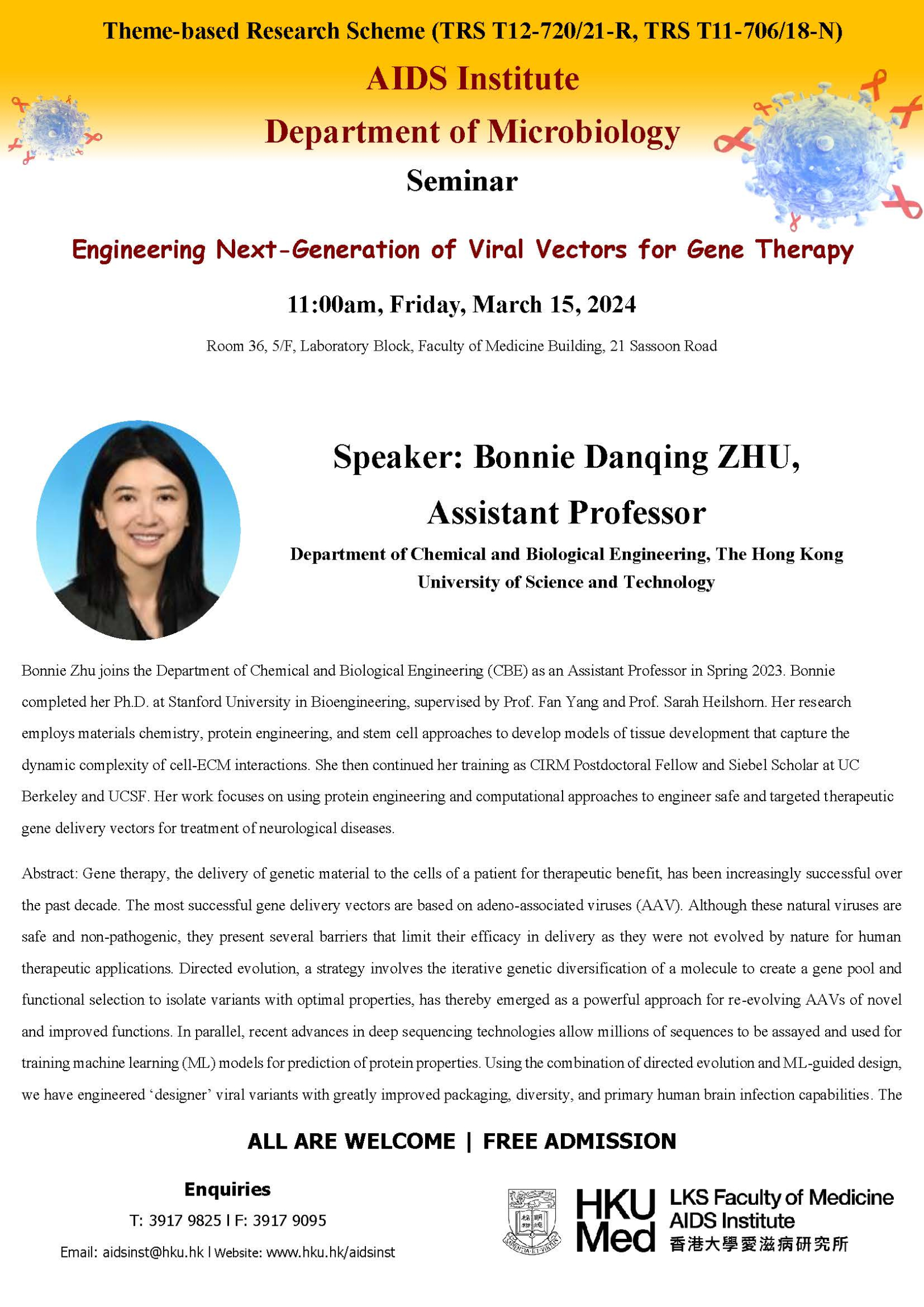
Engineering Next-Generation of Viral Vectors for Gene Therapy

11:00am, Friday, March 15, 2024

Room 36, 5/F, Laboratory Block, Faculty of Medicine Building, 21 Sassoon Road


Speaker: Bonnie Danqing ZHU,

Assistant Professor

Department of Chemical and Biological Engineering, The Hong Kong University of Science and Technology

Abstract: Gene therapy, the delivery of genetic material to the cells of a patient for therapeutic benefit, has been increasingly successful over the past decade. The most successful gene delivery vectors are based on adeno-associated viruses (AAV). Although these natural viruses are safe and non-pathogenic, they present several barriers that limit their efficacy in delivery as they were not evolved by nature for human therapeutic applications. Directed evolution, a strategy involves the iterative genetic diversification of a molecule to create a gene pool and functional selection to isolate variants with optimal properties, has thereby emerged as a powerful approach for re-evolving AAVs of novel and improved functions. In parallel, recent advances in deep sequencing technologies allow millions of sequences to be assayed and used for training machine learning (ML) models for prediction of protein properties. Using the combination of directed evolution and ML-guided design, we have engineered ‘designer’ viral variants with greatly improved packaging, diversity, and primary human brain infection capabilities. The extension of such integration of new technologies will have broad utility in the development of next-generation novel delivery vectors for therapeutic applications of many diseases in the near future.

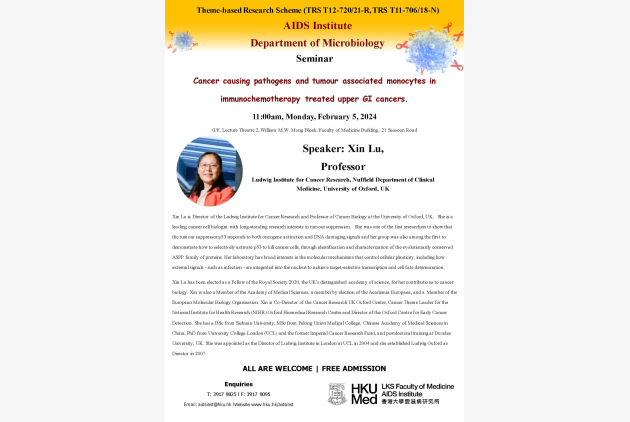
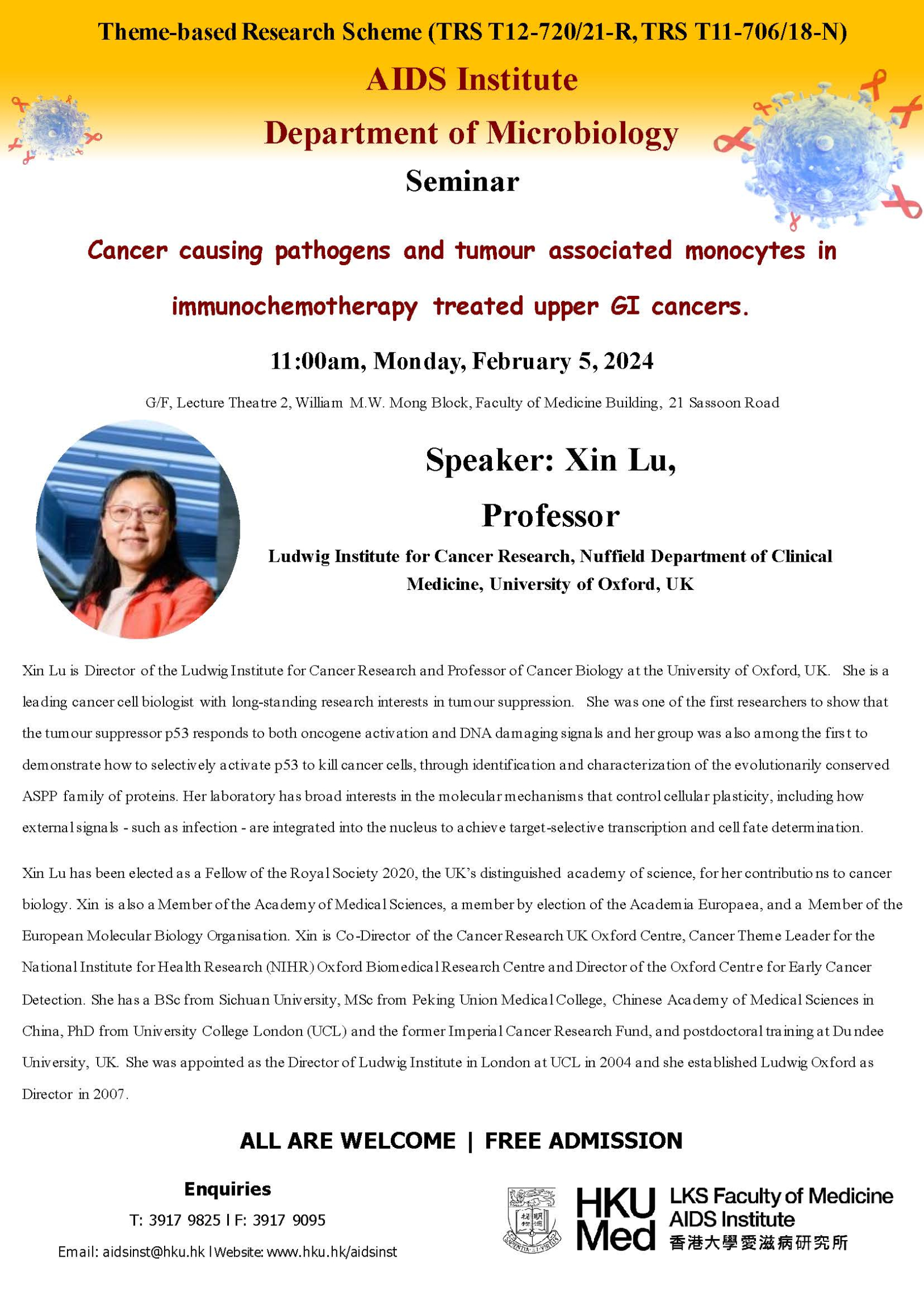
Cancer causing pathogens and tumour associated monocytes in immunochemotherapy treated upper GI cancers.

11:00am, Monday, February 5, 2024

G/F, Lecture Theatre 2, William M.W. Mong Block, Faculty of Medicine Building, 21 Sassoon Road

Speaker: Xin Lu

Professor

Ludwig Institute for Cancer Research, Nuffield Department of Clinical Medicine, University of Oxford, UK


Xin Lu has been elected as a Fellow of the Royal Society 2020, the UK’s distinguished academy of science, for her contributions to cancer biology. Xin is also a Member of the Academy of Medical Sciences, a member by election of the Academia Europaea, and a Member of the European Molecular Biology Organisation. Xin is Co-Director of the Cancer Research UK Oxford Centre, Cancer Theme Leader for the National Institute for Health Research (NIHR) Oxford Biomedical Research Centre and Director of the Oxford Centre for Early Cancer Detection. She has a BSc from Sichuan University, MSc from Peking Union Medical College, Chinese Academy of Medical Sciences in China, PhD from University College London (UCL) and the former Imperial Cancer Research Fund, and postdoctoral training at Dundee University, UK. She was appointed as the Director of Ludwig Institute in London at UCL in 2004 and she established Ludwig Oxford as Director in 2007.